Species / Rosaceae
Rubus caesius
Rosaceae · Shrub · Uzbek: ko‘kimtir maymunjon; Russian: Ежевика сизая
Restoration use by landscape
West Tian Shan Pilot score 77 · rank 20 of 79 shortlisted · rank 26 of 1 194 scored
- Succession role
- Nurse / intermediate shrub
- Suited to
- Gullies & drainage lines; Riparian / sai (other)
- Establishment
- seed; nursery (protocol to confirm)
- Why this category
- Strong: erosion control potential, climate resilience; Weak: drought tolerance; -> promising but propagation/supply or field performance not proven at scale: pilot plots
- Cautions
- needs moist sites
- Local habitat
- Rocky areas, Shrubland, Forest, Grassland, Wetlands (inland), Artificial terrestrial · Frequent
Criteria scores
Nuratau Pilot score 77 · rank 21 of 80 shortlisted · rank 24 of 640 scored
- Succession role
- Nurse / intermediate shrub
- Suited to
- Gullies & drainage lines; Riparian / sai (other)
- Establishment
- seed; nursery (protocol to confirm)
- Why this category
- Strong: erosion control potential, climate resilience; Weak: drought tolerance; -> promising but propagation/supply or field performance not proven at scale: pilot plots
- Cautions
- needs moist sites
- Local habitat
- Forest, Rocky areas, Wetlands (inland), Artificial aquatic, Artificial terrestrial · Frequent
Criteria scores
Kugitangtau Pilot score 77 · rank 22 of 100 shortlisted · rank 24 of 1 208 scored
- Succession role
- Nurse / intermediate shrub
- Suited to
- Gullies & drainage lines; Riparian / sai (other)
- Establishment
- seed; nursery (protocol to confirm)
- Why this category
- Strong: erosion control potential, climate resilience; Weak: drought tolerance; -> promising but propagation/supply or field performance not proven at scale: pilot plots
- Cautions
- needs moist sites
- Local habitat
- Artificial terrestrial, Forest, Grassland, Rocky areas, Shrubland, Wetlands (inland) · Frequent
Criteria scores
Propagation
seed; nursery (protocol to confirm)
Where it fits in the degradation matrix
- West Tian Shan: Riparian / sai (other) (nurse)
- Nuratau: Gullies & drainage lines (nurse)
- Nuratau: Riparian / sai (other) (nurse)
Planting combinations
- West Tian Shan: Gullies, sai and drainage lines (Akhangaran, Chirchik tributaries) (Phase 2)
- Kugitangtau: Gullies, sai and Sherabad river margins (Phase 2)
Planting material and suppliers
No commercial offer found in November 2026: material has to come from wild seed collection or contracted propagation. See Nurseries & supply.
Description
- Morphology
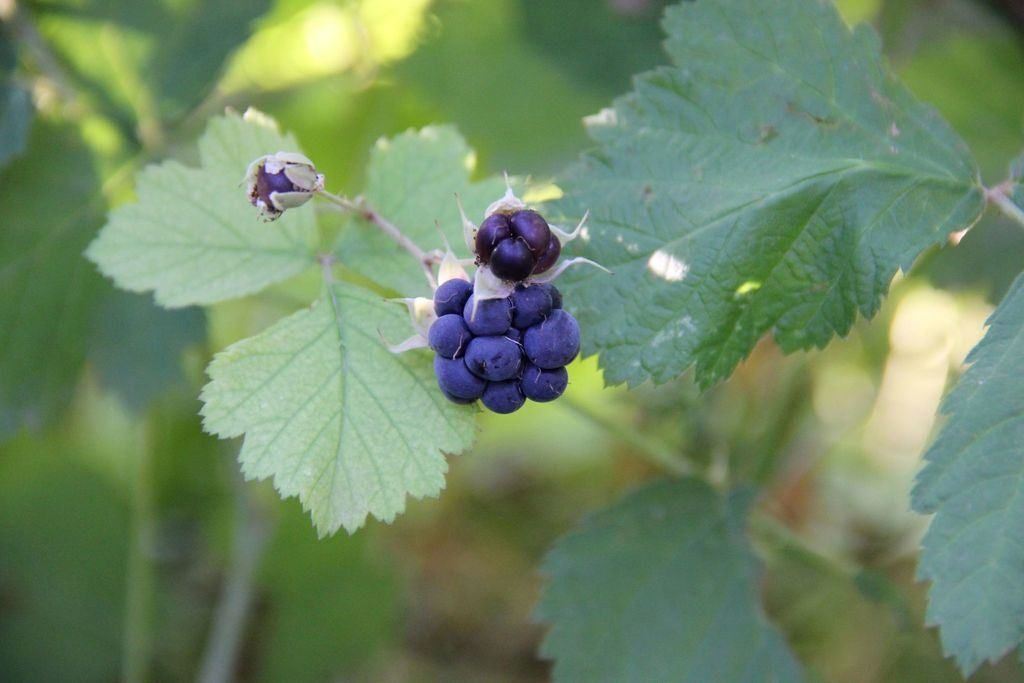
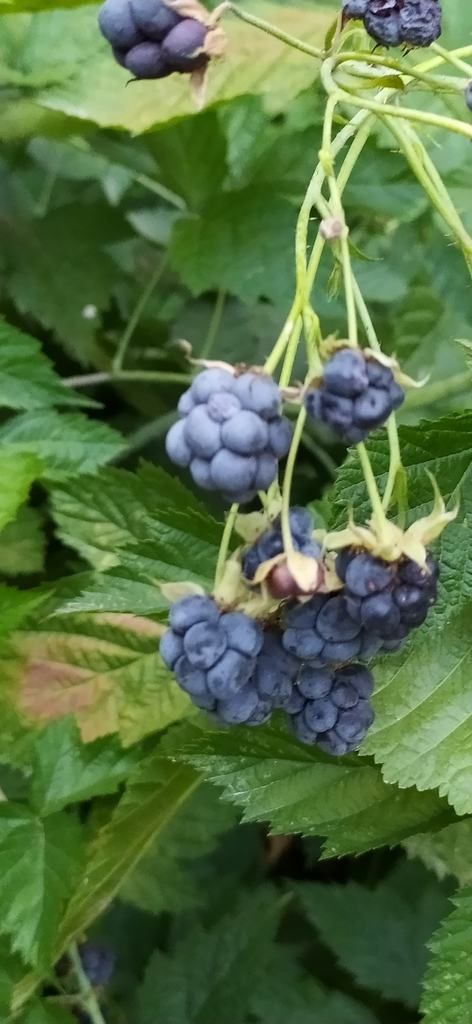
- Shrub, 50–150cm high; annotinous shoots arcuately spreading,branched and rooting in the fall at summit, cylindrical, with glaucous bloom, usually glabrous; prickles numerous, unequal in size and shape, small, straight or curved, partly setiform, often with stalked glands; leaves ternate; stipules broadly lanceolate; petioles pubescent, aculeate, indistinctly canaliculate above; leaflets pale green, with coarse, irregular and often incised teeth, remotely pilose at both sides; terminal leaflet nearly two times longer than its petiolule, ovate-rhombic, acute, sometimes 3-lobed, lateral leaflets very short-petioluled, often 2-lobed. Flower-bearing branches rather long, spreading, with rather numerous prickles and glands; inflorescence branches often long and slender; flowers rather large; sepals green, pilose, often glandular, appressed to fruit; petals broadly elliptic, white; stamens nearly as long as style; ovaries glabrous; fruit often abortive, large, black, covered with a glaucous dull bloom; drupelets few, large, flattened, with uncinately curved mucro. June—July, Fr. August. [Flora of the USSR (Tree of Life)]
- Habitat
- Moist shady place, stony slopes, gorge, screes, pebble beds, valley of river, bank of water bodies, fallows, orchards, vegetable gardens
- Altitudinal belts
- Plain, foothills, low mountains, mid-mountains, high mountains
- Phenology
- Flowering Jun–Jul, fruiting Jul–Aug
- Distribution
- Zaisan basin, valley of river or, Chu, peninsula Mangashlyk, oases in basin of river Syr Darya, Saur, Tarbagatai, Dzungarian Alatau, Tian Shan (Trans-Ili Alatau, Kyrgyz Alatau, Ichkeletau, Susamyrtau, Karatau, Talas Alatau, Karzhantau, Pskem, Ugam, Chatkal, Fergana and Kurama ranges), Pamir-Alai (excluding eastern Pamir), Kopet Dag
- Uses
- dye, food, forage, medicinal, melliferous, ornamental
- Conservation
- IUCN NE