Species / Ulmaceae
Celtis caucasica
Ulmaceae · Tree · Uzbek: Kavkaz qatrong‘isi, tug‘dona; Russian: Каркас кавказский
Restoration use by landscape
West Tian Shan Pilot score 70 · rank 68 of 79 shortlisted · rank 116 of 1 194 scored
- Succession role
- Climax / long-term (canopy)
- Suited to
- Eroded slopes; Rocky slopes; Gullies & drainage lines; Degraded walnut–fruit and broadleaf woodland (other); Degraded pistachio–almond woodland
- Establishment
- stratified seed; nursery seedlings
- Why this category
- Strong: seed; Weak: grazing tolerance; in documented forestry/nursery use (D1); -> promising but propagation/supply or field performance not proven at scale: pilot plots
- Cautions
- protect from grazing for 3-5 yrs
- Local habitat
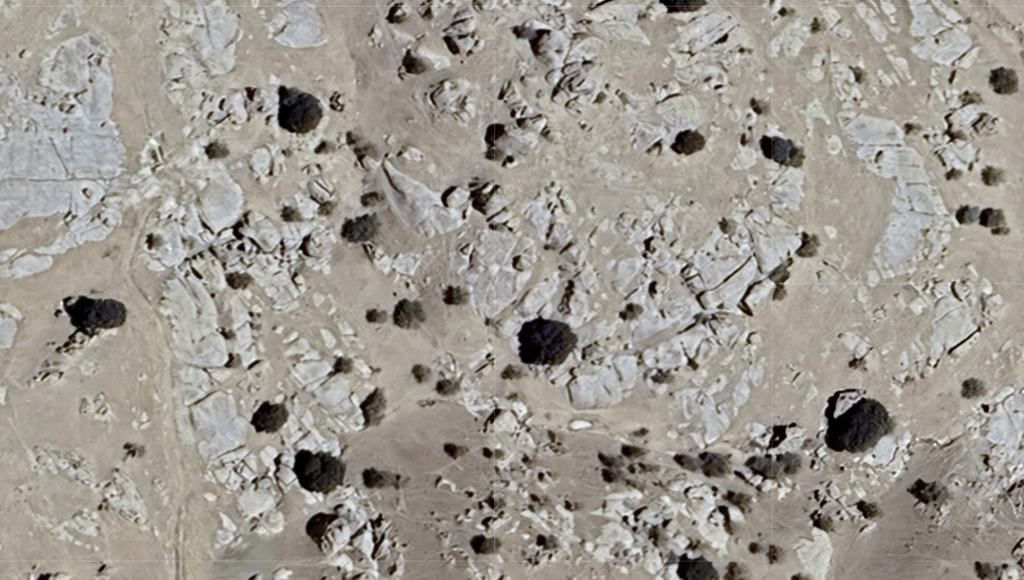
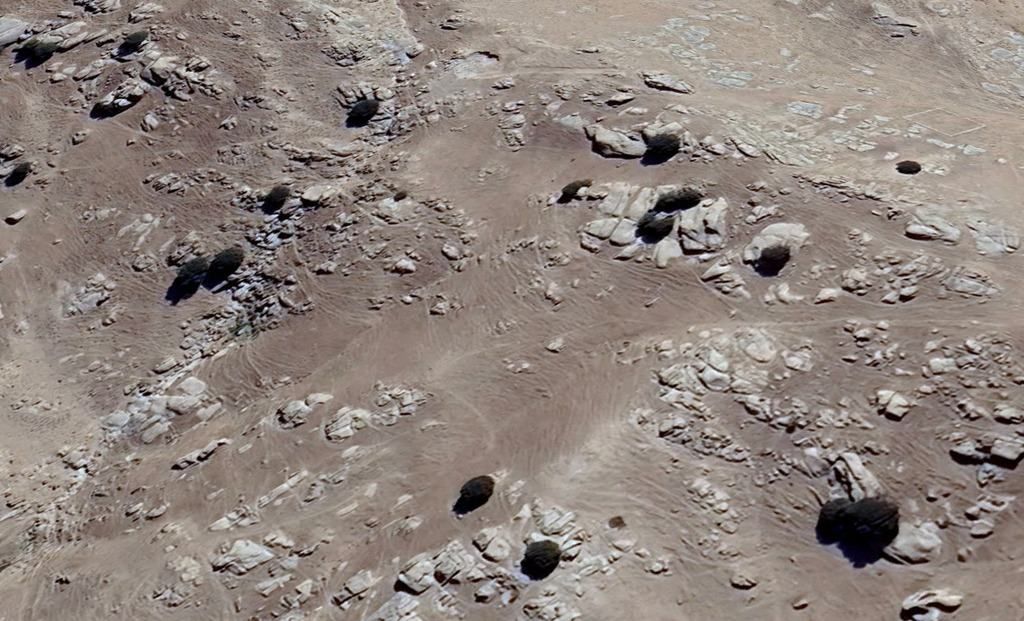
- Rocky areas, Grassland · Frequent
Criteria scores
Nuratau Pilot score 70 · rank 71 of 80 shortlisted · rank 99 of 640 scored
- Succession role
- Climax / long-term (canopy)
- Suited to
- Eroded slopes; Rocky slopes; Gullies & drainage lines; Degraded pistachio–almond woodland
- Establishment
- stratified seed; nursery seedlings
- Why this category
- Weak: grazing tolerance; in documented forestry/nursery use (D1); -> promising but propagation/supply or field performance not proven at scale: pilot plots
- Cautions
- protect from grazing for 3-5 yrs
- Local habitat
- Forest, Shrubland, Rocky areas · Occasional
Criteria scores
Kugitangtau Pilot score 67 · rank 87 of 100 shortlisted · rank 162 of 1 208 scored
- Succession role
- Nurse / intermediate shrub
- Suited to
- Eroded slopes; Rocky slopes; Landslide-prone areas; Gullies & drainage lines; Degraded pistachio–almond woodland
- Establishment
- stratified seed; nursery seedlings
- Why this category
- Strong: erosion control potential; Weak: ecological suitability, grazing tolerance; in documented forestry/nursery use (D1); -> promising but propagation/supply or field performance not proven at scale: pilot plots
- Cautions
- protect from grazing for 3-5 yrs
- Local habitat
- Grassland · Rare
Criteria scores
Propagation
stratified seed; nursery seedlings
Where it fits in the degradation matrix
- West Tian Shan: Eroded slopes (long-term)
- West Tian Shan: Rocky slopes (long-term)
- West Tian Shan: Gullies & drainage lines (long-term)
- West Tian Shan: Degraded pistachio–almond woodland (long-term)
- West Tian Shan: Degraded walnut–fruit and broadleaf woodland (other) (long-term)
- Nuratau: Eroded slopes (long-term)
- Nuratau: Rocky slopes (long-term)
- Nuratau: Gullies & drainage lines (long-term)
- Nuratau: Degraded pistachio–almond woodland (long-term)
Planting combinations
- West Tian Shan: Degraded pistachio–almond woodland (Kurama and Chatkal foothills, ~700–1,400 m) (Phase 3)
- Nuratau: Pistachio–almond woodland (foothills, ~600–1,400 m) (Phase 3)
- Nuratau: Gullies, sai and drainage lines (Phase 3)
- Kugitangtau: Gullies, sai and Sherabad river margins (Phase 3)
Planting material and suppliers
No commercial offer found in November 2026: material has to come from wild seed collection or contracted propagation. See Nurseries & supply.
Description
- Morphology
- A tree or shrub; young branches brown or reddish-brown; leaf buds acute, flattened; leaves unequal, ovate or ovate -lanceolate, serrate with sharp curved teeth, rounded or cuneate at base, acute or acuminate, pubescent beneath, rough above, coriaceous, 4–10 cm long and 2.5–5 cm broad; fruiting peduncles glabrous or at base pubescent, 1.5–3 cm long; fruit globose, reddish-yellow or dark, pruinose; stone slightly rugose, somewhat flattened at the top. Fl. March — May; fr. September —October. (Plate XX, Figure 10). [Flora of the USSR (Tree of Life)]
- Habitat
- Mountain slopes, screes, rocks, valley of river
- Altitudinal belts
- Foothills, low mountains, mid-mountains
- Phenology
- Flowering Apr, fruiting Sep–Oct
- Distribution
- Dzungarian Alatau, Tian Shan, Pamir-Alai (excluding ranges Trans-Alai, Peter the Great, Pamir), Kopet Dag
- Uses
- forest amelioration / agroforestry, medicinal, ornamental, tannin, technical
- Conservation
- IUCN LC